When it comes to clothing for babies, quality is more than just looking good. Babies have sensitive skin, aren’t as strong as adults, and need clothes that are safe, comfy, and built to last. This is why checking the quality of baby clothes is really important in the clothing business. Every part of the making process, from the fabric to the stitching, has to be top quality before the clothes go to a child.
Whether you are a parent buying clothes for your baby or a business person looking for products to sell, understanding quality control for baby clothes can help you make better choices.
At Perryhill, we believe that quality is not just a step in the process—it’s a promise we make to every family.
What Is Baby Garments Quality Control?
Baby garment quality control is the process of checking, testing, and watching over every part of how clothes are made to make sure the final product is safe, comfortable, and up to standard.
Unlike regular clothing, baby clothes need even more careful checking because babies have very sensitive skin.
Bad materials, loose buttons, rough seams, or harmful chemicals can be really dangerous.
In modern baby clothing manufacturing, quality control starts before production and continues all the way until the clothes are packed and sent out.
Why Quality Control Is Essential for Baby Clothing Manufacturing
Parents want baby clothes that are soft, safe, and last a long time.
A good quality control system for baby clothes makes sure that each piece meets these expectations.
Some of the key benefits of good quality control include:
- Keeping babies from getting skin irritation
- Making sure the fabrics are soft and let the air through
- Reducing mistakes in the making process
- Making the clothes more durable
- Building trust with customers
- Lowering the number of returned items
- Keeping the brand’s reputation strong
Companies that make baby clothes understand that even a small mistake can make customers lose trust.
The Key Stages of Baby Garments Quality Control
1. Fabric Inspection:
The quality process starts with choosing the right fabric.
Every fabric used in baby clothing should be checked for:
- How soft it feels
- Whether the colors are consistent
- How strong it is
- Whether it shrinks when washed
- How well it lets air through
- Whether it has harmful chemicals
A good quality control process makes sure only the best materials are used in making baby clothes.
2. Cutting Inspection:
Once the fabric is approved, it’s cut into pieces for each garment.
Quality inspectors check:
- If the measurements are correct
- If the patterns are matched up properly
- If there is minimal waste of fabric
- If the sizes are consistent
Getting the cutting right is a big part of quality control for baby clothes because even small mistakes can affect how the clothes fit.
3. Stitching Quality Check:
During the sewing process, inspectors check:
- Are the seams straight?
- Are the stitches strong?
- Are there skipped stitches?
- Is the finish smooth?
- Are the collars and cuffs secure?
Professional baby clothing manufacturers pay a lot of attention to stitching quality because babies need clothes that stay comfortable even after many washes.
4. Accessories Inspection:
Baby clothes often have:
- Buttons
- Zippers
- Snaps
- Labels
- Decorative elements
Each accessory is tested to make sure it’s attached securely and doesn’t have sharp edges. This step is one of the most important parts of quality control for baby clothes.
5.Final Garment Inspection:
Before the clothes are packaged, each piece is checked thoroughly.
Inspectors look for:
- Correct measurements
- Matching colors
- Good stitching
- Cleanliness
- Loose threads
- Fabric flaws
- Accurate labels
A reliable quality control system makes sure only the best clothes are sent to customers.
Quality Tests Used in Baby Clothing Manufacturing
Professional manufacturers perform several lab and physical tests before the clothes are sold.
Fabric Softness Test
Babies need very soft fabrics.
This test ensures that the clothes stay gentle even after many washes.
Color Fastness Test
Colors shouldn’t fade or bleed during washing.
This is important in baby clothing manufacturing because babies often wear light-colored clothes.
Shrinkage Test
Garments should keep their shape after washing.
A good quality control process checks for shrinkage before mass production.
Strength Test
Seams and fabrics are tested to see how strong they are to prevent tearing during regular use.
Chemical Safety Test
Responsible baby clothing manufacturing makes sure that fabrics are free from harmful dyes, formaldehyde, and other chemicals that can irritate sensitive skin.
Common Quality Issues in Baby Garments
Without proper quality control, manufacturers can face problems like:
- Loose stitching
- Fabric holes
- Uneven sizes
- Color differences
- Broken buttons
- Rough seams
- Print defects
- Loose threads
These issues can affect customer satisfaction, lead to more returns, and harm a brand’s reputation.
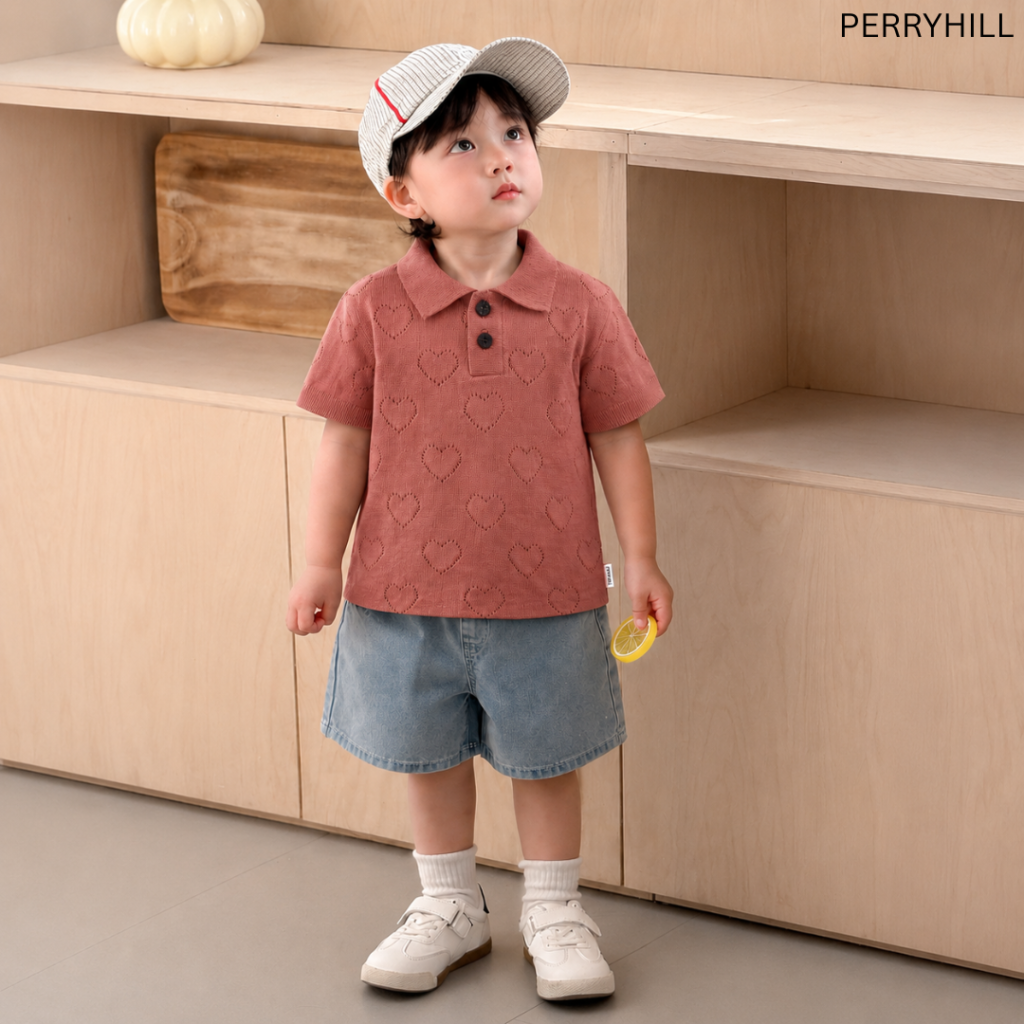
International Quality Standards for Baby Clothing
Leading manufacturers follow widely accepted standards to make sure their clothes are safe and consistent.
These include:
- ISO Quality Management Systems
- OEKO-TEX® Standard 100 for textile safety
- CPSIA requirements for children’s products (where applicable)
- REACH compliance for restricted chemicals
Following these standards helps improve quality control for baby clothes and shows a strong commitment to safe manufacturing.
How Perryhill Prioritizes Quality
At Perryhill, quality is part of every step in the production process.
Our approach includes:
- Choosing premium knitted fabrics carefully
- Doing strict checks on raw materials
- Using skilled craftsmanship
- Monitoring the production process continuously
- Doing a final quality check before packing
- Creating comfortable, baby-friendly designs
Our focus on quality control for baby clothes ensures that every product is safe, comfortable, and durable for growing babies.
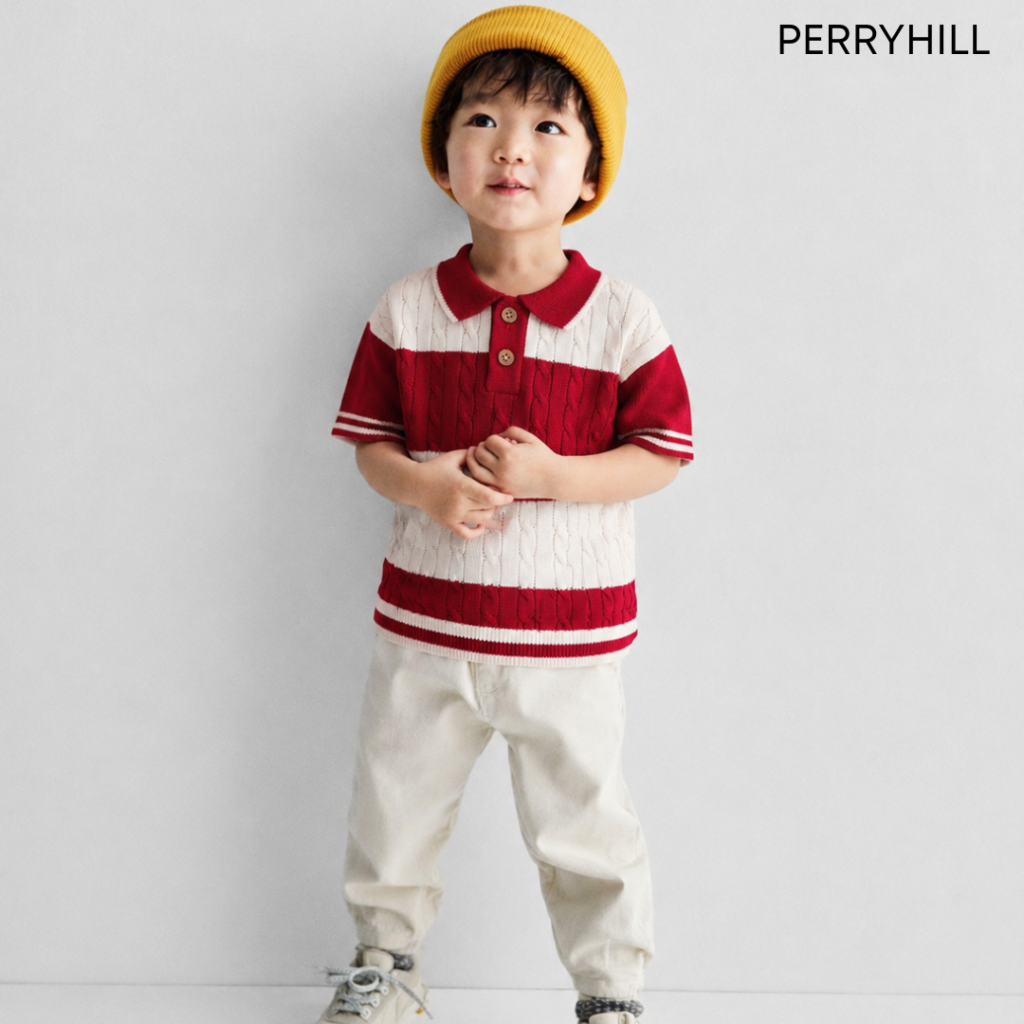
Tips for Buyers Choosing QualityBaby Clothes
Whether you are buying online or looking for products for your business, look for these signs of high quality:
- Soft, breathable fabric
- Even stitching
- Secure accessories
- Comfortable fit
- Clear care labels
- Trusted manufacturer
- Positive customer reviews
- Reliable sizing
These signs show reliable baby clothing manufacturing practices and strong quality standards.
Conclusion:
High-quality baby clothes start long before they reach the store.
From checking the fabric to the final packaging, quality control for baby clothes ensures that each piece is safe, comfortable, and lasts a while for little ones. As the demand for better baby apparel continues to grow, manufacturers must invest in better processes and strict quality checks. Brands that focus on quality not only protect babies but also gain the trust of parents and business partners. At Perryhill, we believe every baby deserves clothes that are made with care, precision, and excellent quality. By following strict quality control for baby clothes, we deliver garments that parents can trust and kids can wear comfortably every day.